 Itemlume
Product images / DECISION CHECK
Does a 100% white-edge score prove the whole product background is pure white?
No. A white-edge score measures only the sampled edge. Background inside a handle, loop or headband can remain off-white while every sampled outer pixel is white. Inspect those regions separately and distinguish background color from product-shape fidelity.
What our actual test measured
On October 9–10, 2026, we generated a 1254 × 1254 headphone packshot through a local Itemlume candidate using a project-owned demonstration reference. The original had a near-white, paper-like background. The website’s twelve-pixel edge sample reported 10.7% pure white. After its near-white correction, 657,642 pixels were changed and the sampled edge reported 100.0% pure white.
The downloaded corrected PNG still showed near-white texture in the closed area inside the headband. We therefore did not mark the entire background as strictly pure white. This is one actual local test, not a production-wide success rate, a customer result or evidence that a marketplace accepted the image.
Compare the actual files
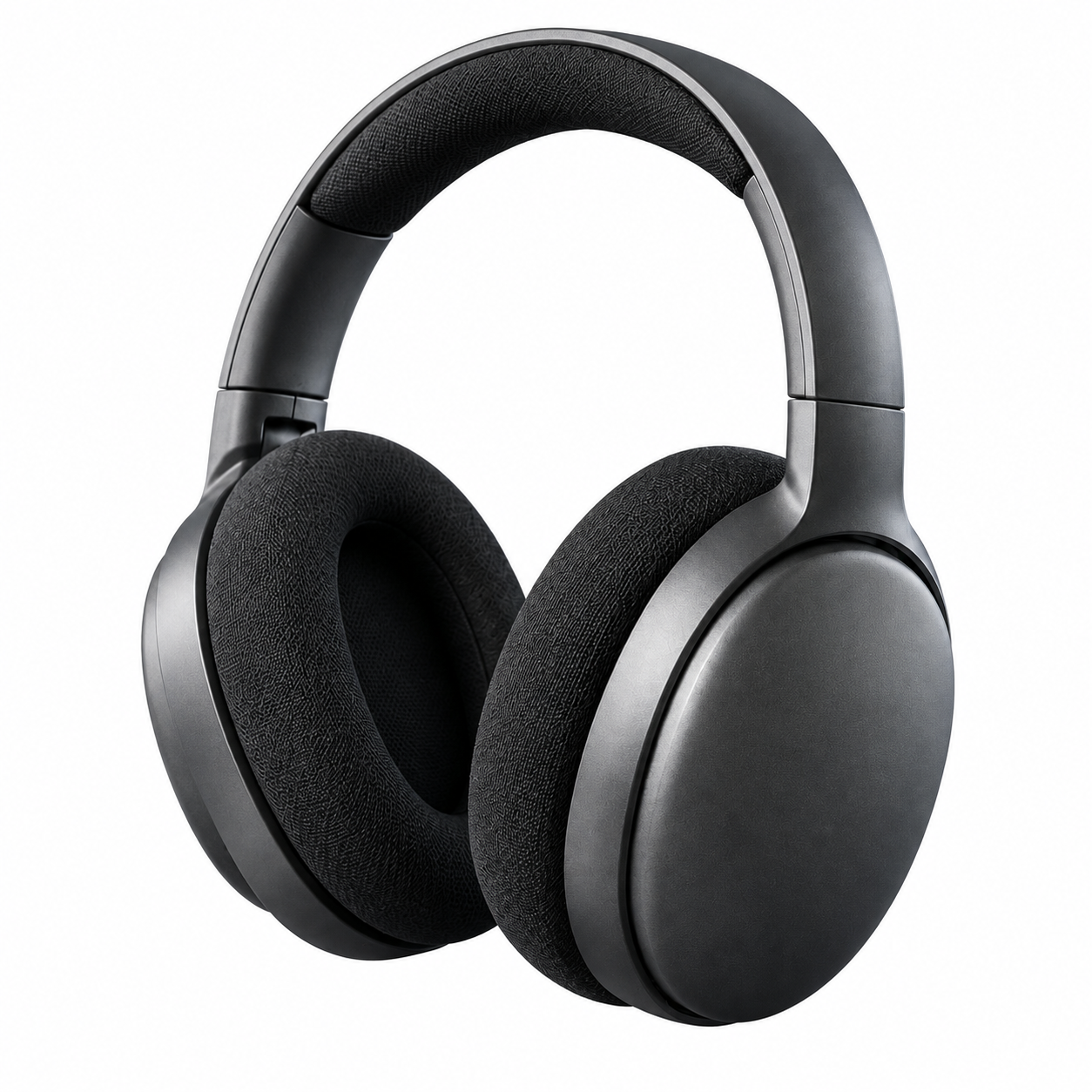
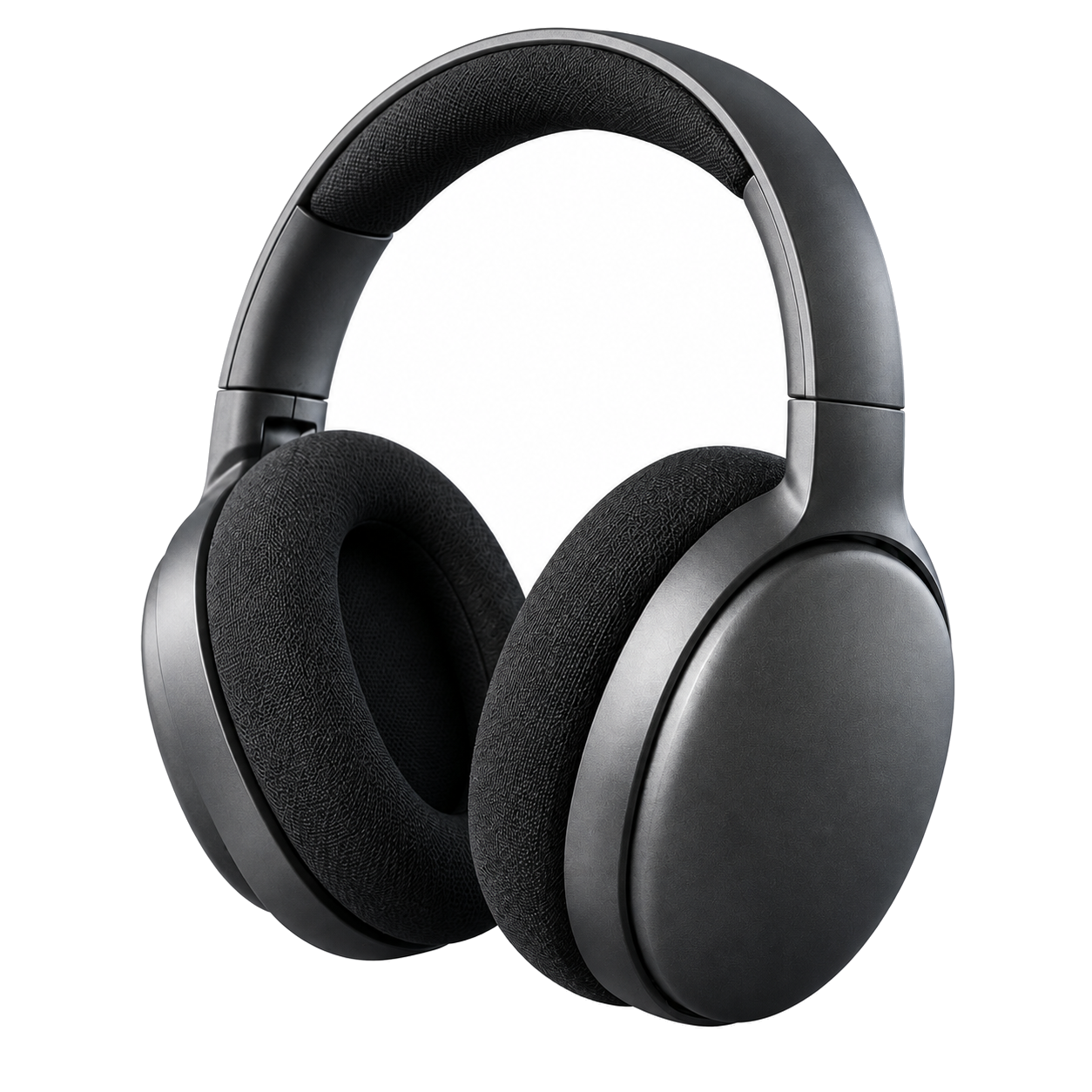
Name the region behind each metric
| Region | What to check | What the edge score establishes |
|---|---|---|
| Outer sampled band | Pixel colors in that band | Only the sampled perimeter |
| Inside headband or handle | Background separated from product | Nothing without an additional inspection |
| Contact shadow | Intended shadow policy | Not automatically an unwanted background |
| White product areas | Actual merchandise shading | Must not be erased to raise a score |
Do not turn every near-white pixel into white to manufacture a passing number. That can erase white product surfaces, reflections or useful edge information. A product/background mask needs its own accuracy review.
Use a scoped approval statement
A truthful record for this test says: outer sampled band passed after correction; closed headband background still needs review; product identity and destination rules checked separately. For your own image, identify all holes and enclosed spaces before approving a strict background. A higher percentage alone does not tell you whether the correction damaged the merchandise.
Itemlume’s tested correction was not a complete semantic cutout. The general lesson is to describe what a metric measured and inspect what it omitted. A marketplace or customer may have different background requirements; follow the actual destination rather than treating this case as a universal rule.
Sources and further reading
Sources for this page were checked on . Platform rules can change; verify the current source before publishing. Prompt examples and workflow recommendations are Itemlume editorial guidance, not independently measured results.
Frequently asked questions
What does 100% mean in this test?
Only that the sampled twelve-pixel edge band was pure white after correction.
Did this image pass complete strict-white inspection?
No. The closed headband region still showed near-white texture.
Can I whiten the entire image?
That risks damaging product surfaces; separate background and merchandise before correction.
BUILD FROM A PRODUCT YOU KNOW
Put this workflow into practice with your own product.
Explore the relevant tool first. AI copy and concept planning are free after sign-in. Image and video generation require available credits and the applicable account access.
Open Product images Check pricing and credits